Get Ductwork Replacement
Ductwork replacement services help property owners fix or upgrade outdated, damaged, or inefficient air duct systems, typically involving residential or commercial HVAC projects.
Property owners considering ductwork replacement often do so to improve indoor air quality, enhance energy efficiency, or address aging or damaged systems. Upgrading ductwork can lead to better airflow throughout a property, reducing hot or cold spots and creating a more comfortable living or working environment. Exploring local contractor options ensures that the project is handled by experienced professionals familiar with the specific needs of properties in the area, helping to plan effectively and select the right solutions.
Comparing local service providers can provide valuable insights into the range of options available for ductwork replacement projects. Property owners are encouraged to review the expertise and services offered by local contractors to find the best match for their project goals. Continuing to explore these options can help in making informed decisions and connecting with qualified professionals who can deliver quality results.
- Ductwork Replacement - needed when existing duct systems are damaged, inefficient, or no longer meet the home's heating and cooling needs.
- Upgrading Duct Systems - recommended when older ducts have become clogged, leaky, or are causing inconsistent airflow.
- New Construction Duct Installation - required for new buildings or additions that need a properly designed duct network.
- Retrofitting Ductwork - necessary when improving indoor air quality or energy efficiency in an existing space.
- Replacing Ducts After Remodeling - essential when renovations disrupt or damage the existing duct infrastructure.
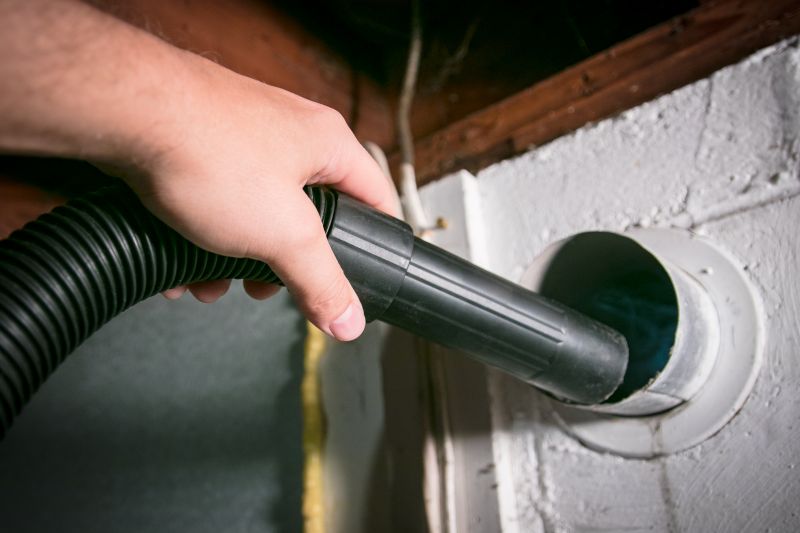
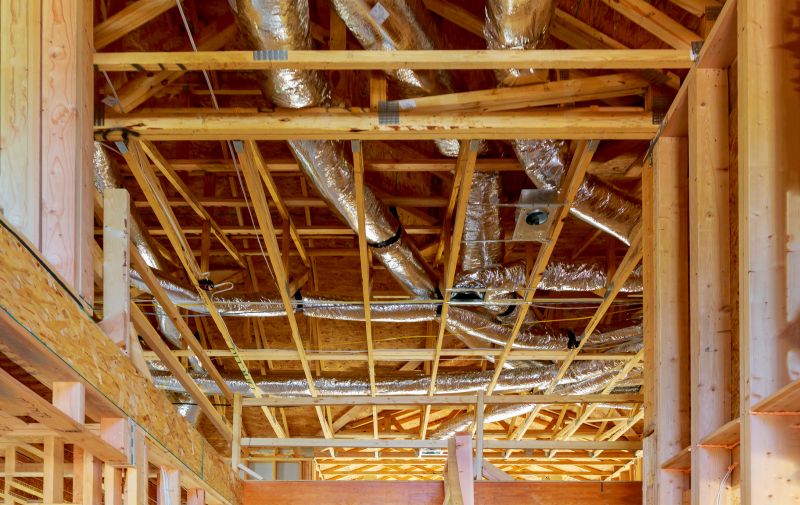
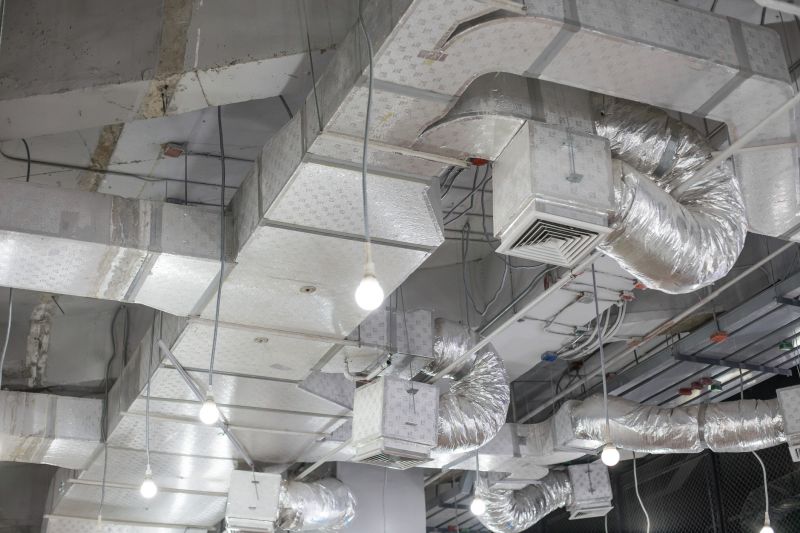
Ductwork replacement involves removing and installing new air distribution systems within a property’s heating, ventilation, and air conditioning (HVAC) setup. This service ensures that air flows efficiently throughout the space, helping to maintain consistent temperatures and indoor air quality. Professionals typically evaluate the existing duct system to identify issues such as leaks, corrosion, or improper sizing, then replace outdated or damaged sections with new, properly fitted ducts. The goal is to create a seamless, airtight network that supports optimal HVAC performance and energy efficiency.
Many common problems can signal the need for ductwork replacement. These include noticeable temperature inconsistencies, increased energy bills, and excessive dust or debris circulating in the home. Ducts that are cracked, collapsed, or have developed leaks can significantly reduce a heating or cooling system’s effectiveness. Over time, duct materials may deteriorate, especially in older properties, leading to poor airflow and reduced indoor comfort. Replacing worn or compromised ductwork can help resolve these issues, leading to a more comfortable and energy-efficient living environment.
Properties that typically benefit from ductwork replacement include older homes with original duct systems, properties experiencing ongoing HVAC issues, or buildings where renovations have uncovered damaged or poorly installed ducts. Commercial spaces, multi-family residential buildings, and new constructions may also require duct replacement during upgrades or build-outs. Homeowners noticing persistent indoor air quality concerns or uneven heating and cooling are often advised to explore ductwork replacement as a way to improve overall system performance and indoor comfort.
Local contractors who specialize in ductwork replacement can assess the specific needs of a property and recommend the most appropriate solutions. They handle everything from inspecting existing ducts to removing damaged sections and installing new, more efficient systems. By working with experienced service providers, homeowners can ensure that duct replacement is performed correctly, helping to enhance the efficiency of their HVAC systems and improve indoor air quality. Contacting local pros is a practical step toward addressing duct-related issues and achieving a more comfortable home.
The overview below groups typical Ductwork Replacement projects into broad ranges so you can see how smaller, mid-sized, and larger jobs often compare in your area.
In many markets, a large share of routine jobs stays in the lower and middle ranges, while only a smaller percentage of projects moves into the highest bands when the work is more complex or site conditions are harder than average.
Smaller Repairs - Basic ductwork repairs or minor replacements typically cost between $250 and $600. Most routine jobs fall within this range, depending on the extent of the work needed and local labor rates.
Partial Replacement - Replacing sections of ductwork usually ranges from $600 to $2,000. Many projects in this category are mid-sized, with fewer reaching the higher end for larger or more complex systems.
Full Duct System Replacement - Complete replacements generally cost between $2,000 and $5,000. Larger, more complex projects can exceed this range, especially in custom or older systems requiring extensive work.
Large or Complex Installations - Extensive ductwork upgrades or replacements can reach $5,000 or more. These projects are less common and often involve additional work such as system redesign or integration with existing infrastructure.
Actual totals will depend on details like access to the work area, the scope of the project, and the materials selected, so use these as general starting points rather than exact figures.
Air Duct Cleaning - this service involves cleaning and maintaining duct systems, requiring similar planning and tools as ductwork replacement to ensure proper airflow and efficiency.
HVAC System Installation - installing or upgrading heating, ventilation, and air conditioning systems involves working with duct networks and understanding airflow dynamics similar to ductwork replacement.
Ventilation System Upgrades - improving or expanding ventilation systems requires knowledge of duct layouts and airflow management, paralleling the skills used in ductwork replacement projects.
Commercial Ductwork Installation - installing duct systems in commercial spaces involves similar planning, tools, and skills as residential ductwork replacement, often on a larger scale.
Insulation Installation for Ducts - adding insulation to duct systems enhances efficiency and requires familiarity with duct layouts and installation techniques akin to ductwork replacement.
Air Quality System Installation - integrating air purification or filtration systems involves working with existing ductwork and understanding airflow, similar to replacing or modifying duct systems.
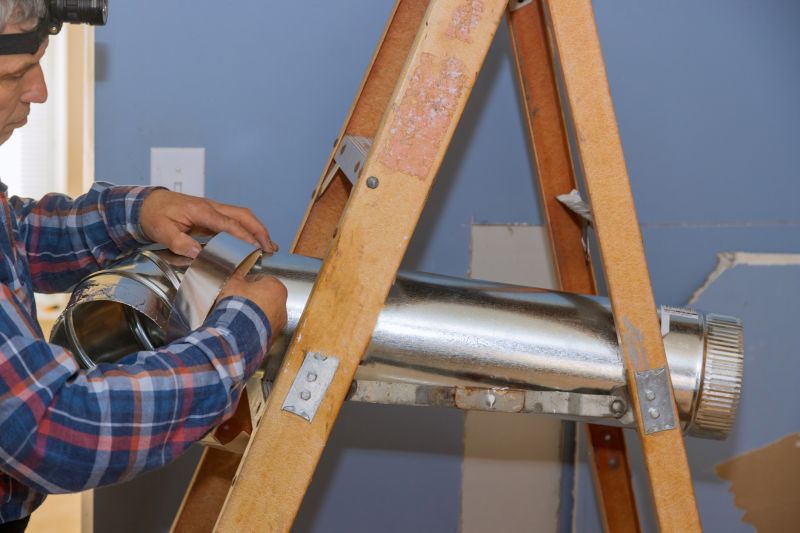
When comparing service providers for ductwork replacement, it’s important to consider their experience with similar projects. Homeowners should look for local contractors who have a proven track record of handling ductwork replacements in environments comparable to their own. An experienced professional is more likely to understand the nuances of different duct systems and can anticipate potential challenges, leading to a smoother installation process.
Clear, written expectations are essential to ensure everyone is aligned on the scope of work. Homeowners should seek out providers who offer detailed estimates and scope descriptions, outlining what the project will entail, including the materials to be used and the steps involved. Having this information in writing helps prevent misunderstandings and provides a reference point throughout the project.
Reputable references and good communication are key indicators of a reliable service provider. Homeowners are encouraged to ask potential contractors for references from past clients who had similar ductwork replacement projects. Additionally, service providers who communicate clearly and promptly demonstrate professionalism and respect for the homeowner’s needs. It’s important to remember that this site introduces homeowners to local options and does not perform the work itself, making it easier to compare and connect with qualified professionals suited for the job.
Property owners use Ductwork Replacement services for practical projects around their homes and businesses. This guide focuses on everyday jobs and straightforward project options.
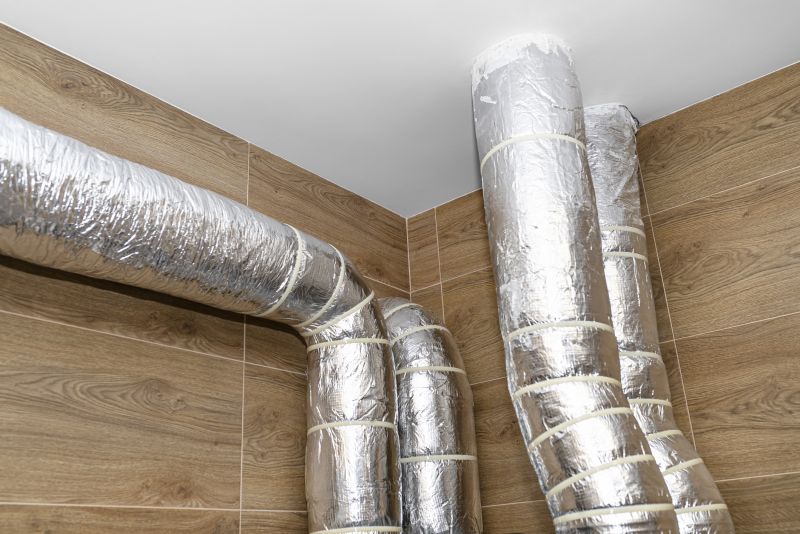
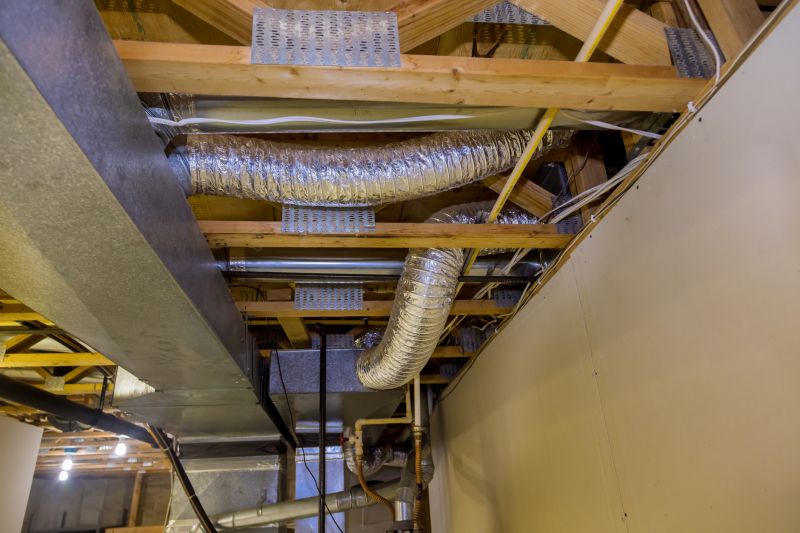
Ductwork replacement is a common project for property owners experiencing issues with indoor air quality, uneven heating or cooling, or increased energy bills. Over time, duct systems can become damaged, leaky, or outdated, leading to inefficiencies and discomfort inside homes or businesses. Local contractors who specialize in ductwork services can assess existing systems, identify problems, and recommend appropriate solutions to improve airflow and overall comfort.
Many property owners seek ductwork replacement when renovating, upgrading HVAC systems, or addressing persistent indoor air issues. Aging or deteriorating ducts may no longer perform effectively, making replacement a practical step toward maintaining a healthy and efficient indoor environment. Service providers in the area are equipped to handle these projects, helping property owners achieve better air distribution and energy savings through professional duct system upgrades.
When should ductwork replacement be considered? Ductwork replacement is typically recommended when existing ducts are damaged, inefficient, or no longer meet the needs of the home’s heating and cooling system.
How can I tell if my ductwork needs to be replaced? Signs include visible damage or leaks, inconsistent airflow, excessive dust, or unexplained increases in energy bills that may indicate duct issues.
What are the benefits of replacing old ductwork? Replacing outdated or damaged ductwork can improve airflow, enhance energy efficiency, and contribute to better indoor air quality.
What types of ductwork materials are available for replacement? Common options include flexible ducts, sheet metal, and fiberglass-lined ducts, each suited for different installation needs and preferences.
How do local service providers handle ductwork replacement projects? Local contractors typically assess the existing system, recommend suitable replacement options, and perform installation to ensure proper airflow and system performance.
Improve Indoor Air Quality - Replacing outdated ductwork can enhance airflow and reduce dust buildup, creating a healthier environment inside the home.
Upgrade for Energy Efficiency - Installing new duct systems helps ensure heating and cooling systems operate efficiently, potentially lowering energy consumption.
Address Air Leaks and Damage - Repairing or replacing damaged ductwork can prevent air leaks, ensuring consistent temperature distribution throughout the property.
Prepare for Home Renovations - Replacing ductwork can support remodeling projects by updating ventilation systems to meet new layout and design needs.
If you are thinking about Ductwork Replacement for a property, this guide is meant to help you understand the work, the typical project types, and how different options might fit your plans.
When you are ready, you can use the quote form on this page to share a few details about your project. From there, local pros can review the basics and respond with options that match what you have in mind.